Commercial Waste Removal in Fulham
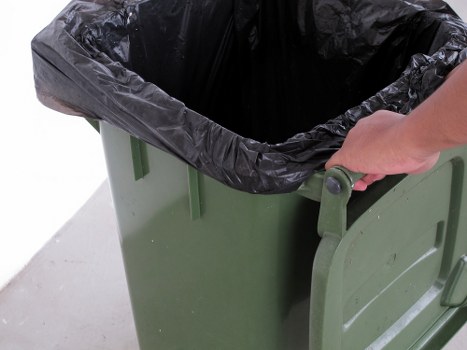
Commercial waste removal in Fulham needs to be organised, tidy and suited to the way your premises operate. We handle business waste from offices, shops, hospitality venues, studios and shared workspaces, with collection arrangements that focus on practical sorting, safe handling and straightforward disposal. If you need a reliable route for recurring rubbish or a one-off clear-out, our service is designed to keep the process manageable and easy to plan around.
We work with mixed commercial waste, recyclable materials and bulky items that accumulate in day-to-day operations. That can include office furniture, packaging, stock-room waste, obsolete fixtures and other non-hazardous materials that are ready to leave the premises. The aim is to keep your workspace clear, presentable and workable without turning waste management into another distraction for your team.
For a simple first step, tell us what needs removing and when access is available. If you already know the volume or type of waste, that helps shape the most suitable arrangement. When you are ready, you can request a quotation in plain English and move from cluttered storage areas to a cleaner working environment.
Business waste collections shaped around daily operations
Business waste removal is most useful when it fits around trading hours, deliveries, staff movement and customer access. For that reason, we focus on collection methods that reduce disruption and keep circulation areas free from bags, cartons and unwanted items. Premises often need a combination of regular uplift and occasional ad hoc clearance, particularly when storage rooms, back offices or basement areas start to fill up with material that is no longer needed.
Our approach suits a broad range of commercial settings, including administrative offices, retail units, service premises and light industrial spaces. Waste can build up quickly in places where supplies arrive in bulk or where old equipment is replaced in phases. If you are comparing options, the useful question is usually not just how much waste there is, but whether it is mixed, bulky, recyclable or suitable for separate handling. That is why a clear description at the outset is often enough to narrow down the right arrangement.
Office clearances and confidential material handling

Office waste removal can involve more than ordinary black-bag waste. Desks, chairs, shelving, filing cabinets, monitors, cables and redundant stationery all tend to appear together when a workspace is reconfigured. We can help with clearances where the priority is to remove unwanted office contents efficiently while keeping reusable and recyclable items separate where possible. This is particularly useful if you are freeing up rooms for a refit, changing layout or reducing stored equipment.
Where paperwork or records are involved, confidential shredding is a sensible option for sensitive documents that should not go into general disposal. That allows you to keep business information treatment separate from general waste handling. If your office move or downsizing plan includes furniture alongside files and archive material, combining the right services can make the process more orderly and easier to schedule.
Useful details for office collections usually include the type of items, whether lifts or stairs affect access, and whether work should happen before, during or after opening hours. A short list is often enough:
- furniture and fixtures to be removed
- paper waste and archived documents
- IT equipment and cables
- any access restrictions or loading points
Furniture disposal for commercial premises
When office chairs, tables, cabinets or display units reach the end of their usable life, furniture disposal is often the most efficient way to free up space without leaving a trail of dismantled parts behind. Commercial furniture can be awkward because it is often bulky, heavy and mixed with other waste from the same area. Our service is intended to keep that process orderly, with the emphasis on taking away the items you no longer need in a way that suits the layout of the premises.
There may be a difference between items that are simply no longer required and those that are damaged beyond practical use. In many workplaces, both appear together during a refit or stockroom tidy-up. We can deal with sofas, reception seating, desks and other items that are ready to go, while also helping you separate what belongs in furniture disposal from what should be handled as general waste or a different waste stream. Furniture disposal is especially useful when you want a straightforward route for larger items that are difficult to move through the building.
Bulky items, mixed loads and waste that takes up valuable room

Many business premises have waste that is not suited to ordinary bin collections because it is too large, too awkward or too varied. Mixed loads can include packaging from deliveries, old shelving, broken fittings and unwanted fixtures accumulated over time. Our service is designed to deal with these larger clear-outs in a controlled way so that storage areas, stock rooms and back-of-house spaces can be put back to use. The aim is not only removal, but also a more organised handover from cluttered to workable space.
Some projects are simple and some involve items spread across several rooms. For that reason, it helps to think about the waste in categories rather than just as a single pile. The main considerations are usually whether the load includes reusable items, whether anything needs careful lifting, and whether any parts need to be kept apart from general waste. A well-described load lets the collection plan stay practical from the outset and can reduce the need for back-and-forth clarification.
Our service also covers situations where one area of a business is being emptied while the rest remains in operation. That might be a storeroom, a reception area, a small office suite or a rear access space. In those cases, the collection plan needs to respect the way the business already works, so that the waste leaves without creating new blockages for staff or customers.
Specific items from commercial clear-outs
Some clearances are centred on individual item types rather than general rubbish. Businesses often want a direct solution for a particular category, especially when a premises change leaves a cluster of the same item behind. That might be a room full of office chairs, a run of old tables or a set of appliances that no longer fit the intended use of the property. Dealing with these items as a defined group can make the work easier to prepare and easier to remove in an organised way.
Where suitable, we can help with item-focused disposal that supports larger clearance plans without overcomplicating the job. If the load includes soft furnishings, large seating or domestic-style items used in staff rooms or client areas, that may call for a slightly different approach from ordinary bagged waste. For example, mattress and sofa disposal is a more precise route when bulky upholstered items need to be separated from other rubbish and taken away cleanly.
Other item-specific jobs can be assessed in the same practical way: identify what is present, note whether it is reusable or damaged, and decide whether it belongs with the main commercial load or as a separate item category. That keeps the collection plan focused and avoids turning a simple clearance into a muddle of mixed materials.
About Fulham

Fulham is a district in southwest London within the London Borough of Hammersmith and Fulham, lying along the north bank of the River Thames. Its riverside position is one of the area’s defining features, with stretches of embankment, towpaths and views across the water giving the district a strong connection to the river. The Thames path runs through the area, and the historic riverfront has long influenced how Fulham developed, from older settlement patterns to later residential and commercial growth. Within the district, the built environment is varied: there are Victorian and Edwardian terraces, mansion blocks, smaller streets of interwar housing and pockets of more modern development. This mix gives Fulham a layered architectural character rather than a single uniform streetscape.
Among the best-known open spaces is Bishops Park, a riverside park that provides lawns, paths and views towards Putney Bridge and the Thames. Nearby, Fulham Palace sits as a significant historic landmark, with origins linked to the Bishops of London and grounds that reflect centuries of change. The district also contains a number of churches, local shopping streets and neighbourhood centres that contribute to its everyday identity. Football is an important part of Fulham’s cultural life, with Craven Cottage, home of Fulham Football Club, standing close to the river and forming a prominent landmark in the area. Transport links have also shaped the district, with stations on the London Underground and several main roads helping connect Fulham to central London and adjoining boroughs. Taken together, the riverside setting, historic buildings, parks and active local centres make Fulham a place with a strong sense of continuity as well as ongoing change.
Garden and outdoor waste from business premises
Some commercial sites in Fulham have outside areas that need periodic attention as well as interior clearances. Courtyards, frontage strips, service yards and planted areas can all produce waste that does not belong in standard indoor collections. When these spaces are overgrown, tidied or reorganised, the waste may include green clippings, branches, soil-contaminated debris, plant containers and general outdoor rubbish. A separate outdoor clearance keeps that material away from office or retail waste so it can be handled appropriately.
Where there is a garden or shared outside area attached to a business property, garden clearance is a useful service for removing accumulated organic and mixed outdoor waste in one go. This is particularly helpful if the site has limited storage for sacks, cuttings or broken planters. If you want the outdoor area ready for presentation, maintenance or repurposing, removing the waste cleanly can make the space easier to inspect and use again.
Outdoor clearances are also a good time to consider whether any items should stay on site for reuse. Pots, benches, edging and similar features may be worth separating from general waste before collection begins. A little sorting in advance can keep the load more manageable and reduce the chance of useful materials being mixed into the disposable part of the job.
House, flat and loft clearances for mixed-use properties

Not every property in a commercial context is a dedicated office or shop. In some parts of Fulham, mixed-use premises and property management situations call for the clearance of residential-style spaces above or behind a business, or for older stock that has been stored away for years. In those cases, the work may resemble house clearance, flat clearance or loft clearance rather than a straightforward business rubbish collection. The key is to identify the type of space so the load can be handled in a way that suits the contents and access.
House clearance, flat clearance and loft clearance each suit a different kind of layout and item mix. A house may contain furniture, packed belongings and miscellaneous waste across several rooms; a flat may require careful movement through shared hallways or stairwells; and a loft often contains awkward, dusty or long-stored items that need to come down in a controlled sequence. If you are dealing with a property that combines living and working use, the right category helps keep the removal practical.
For landlords, managing agents and businesses with ancillary accommodation, the most useful preparation is to separate what stays from what goes and to flag any access points that might affect removal. That keeps the clearance focused and avoids unnecessary handling of items that do not form part of the job.
Pricing factors and how to prepare a quotation
The main factors in a waste removal quotation are usually the amount of material, the type of items, how easy they are to access and whether any specialist handling is needed. A load of paper and packaging is very different from a set of office desks, a pile of broken fixtures or a mixed collection spread across several floors. If the waste can be described clearly, the quotation can reflect the work more accurately and avoid confusion later on.
It also helps to note whether the collection point is close to loading access, whether parking or reception procedures apply, and whether the job needs to happen at a specific time. Clear information about the location inside the premises is often more useful than a long explanation. If you are unsure how to describe the load, a short list of item types is usually enough. You can also use the following points to prepare:
- what needs removing and roughly how much there is
- whether the items are loose, bagged or stacked
- any stairs, lifts, narrow corridors or shared entrances
- preferred collection timing and any site rules
Recycling, reuse and responsible disposal choices
Commercial waste is often a mix of items with different disposal routes, so good sorting matters. Cardboard, paper, metal, timber, plastic packaging and electrical items may all need separate assessment before they leave the premises. When waste is grouped sensibly, more material can be directed to the most suitable outlet rather than treated as an undifferentiated pile. That makes the process more orderly for the customer and more practical for the collection team.
For businesses that want a straightforward way to manage what happens to the items after collection, recycling and sustainability information can help set expectations around sorting and disposal priorities. The aim is to handle waste in a way that is sensible for the item type, while keeping the removal process efficient. It is also useful where a business is trying to separate reusable fittings from end-of-life material and reduce unnecessary disposal of items that still have a function elsewhere.
Some items require different treatment from standard refuse, especially if they are electrical or contain materials that should not be mixed with the rest of the load. If you know about those items in advance, they can be identified early and managed with the right disposal route in mind. That approach keeps the collection cleanly organised from the start rather than sorting problems out afterwards.
Book a commercial waste collection in Fulham
If you need commercial waste removal in Fulham for an office, shop, workspace or mixed-use premises, we can help organise a clear and practical collection plan. The service is built around straightforward removal, sensible handling and a result that leaves the property easier to work in. Whether you have a single bulky load or a more varied clear-out, the best next step is to describe the items and the space they are in so the work can be matched to the job.
You can request a quotation when you are ready, or begin with a brief outline of the waste and the access arrangements. If the job is time-sensitive or tied to a move, fit-out or stock change, mention that as well. Send the basics, and we will take it from there. A concise enquiry is often enough to get the process moving without unnecessary back-and-forth.
For a final step, use the details you already have and ask for a quote in plain English today. If you want a straightforward commercial clearance arranged with minimal fuss, make your enquiry now and we will help you move toward a cleaner, clearer premises.